Started 35 years ago by our founder, Dinoja Collision Repairing Center has grown from a small, family-owned workshop to a trusted name in the automotive repair industry. Our commitment to quality and customer satisfaction, passed down from father to son, has been the cornerstone of our success. Today, we are proud to be an ISO certified company, recognized for our excellence, safety and craftsmanship. Whether you're dealing with minor dents or major bump repairs, our experienced team is dedicated to restoring your vehicle to its original condition with precision and care.
Years Experience
Expert Technicians
Satisfied Clients
Compleate Projects
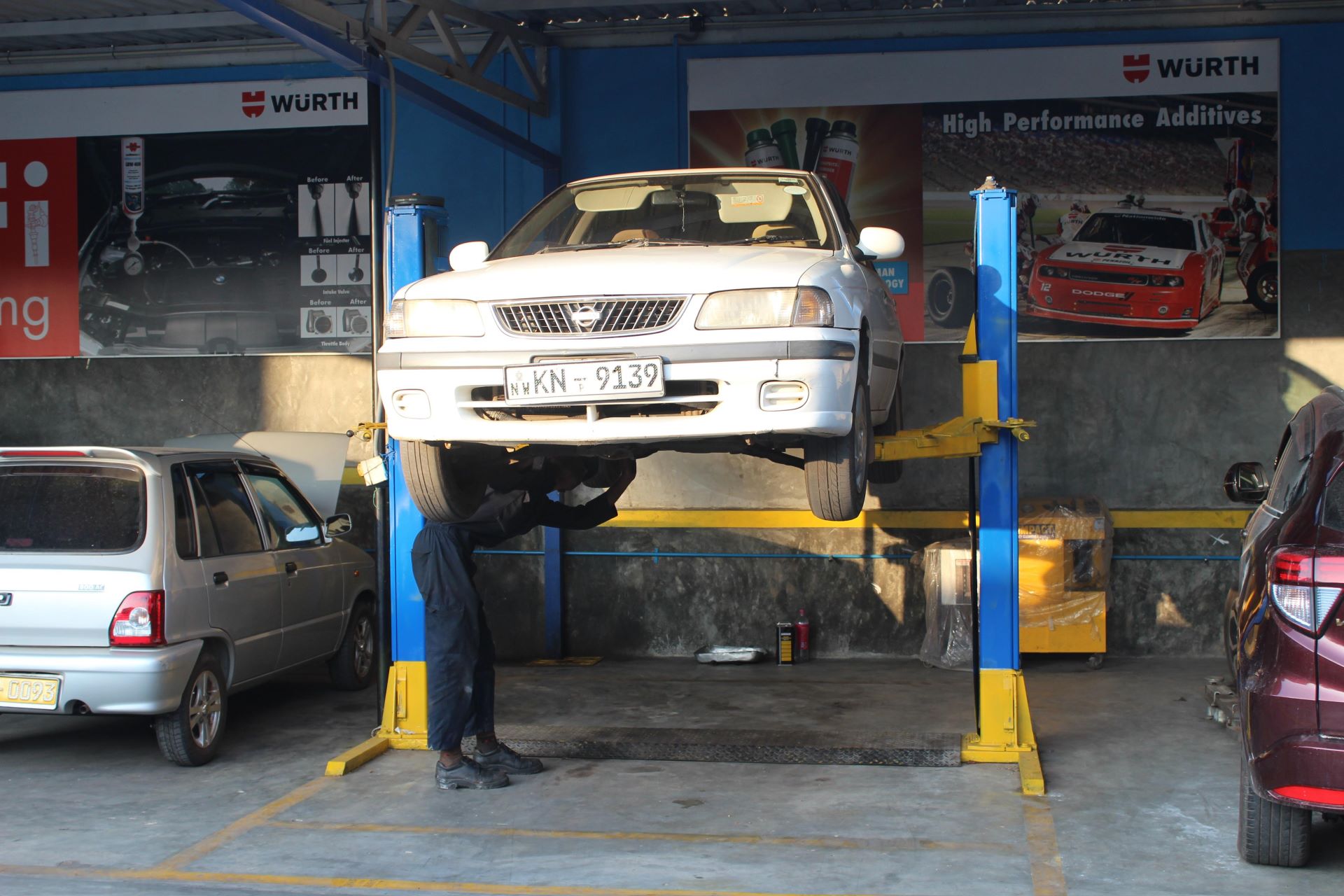
Mechanical repair is a broad field encompassing the maintenance and repair of a vehicle’s engine, transmission, suspension, and other critical mechanical systems. Engine repairs can include tasks such as replacing worn-out components like timing belts, spark plugs, and fuel injectors. Issues like overheating, reduced power, or strange noises often indicate engine problems that require prompt attention to avoid more significant damage. Transmission repairs address problems with shifting, slipping gears, or unusual noises, which might involve replacing the transmission fluid, fixing leaks, or even rebuilding the transmission.
Suspension repairs are essential for maintaining ride quality and vehicle handling. This system includes components such as shock absorbers, struts, and control arms, which can wear out over time. Symptoms like excessive bouncing, steering wheel vibrations, or uneven tire wear often indicate suspension issues. Proper suspension maintenance ensures that your vehicle remains stable and safe, particularly in challenging driving conditions.
Mechanical repairs also cover the drivetrain, which includes parts like the drive shafts and differentials. Regular maintenance and timely repairs of these components are crucial for preventing drivability issues and ensuring the smooth transfer of power from the engine to the wheels. Technicians use a variety of diagnostic tools, including scan tools and specialty equipment, to identify and address mechanical problems accurately. Routine mechanical maintenance, such as oil changes and filter replacements, is critical for extending the life of your vehicle and preventing more costly repairs.
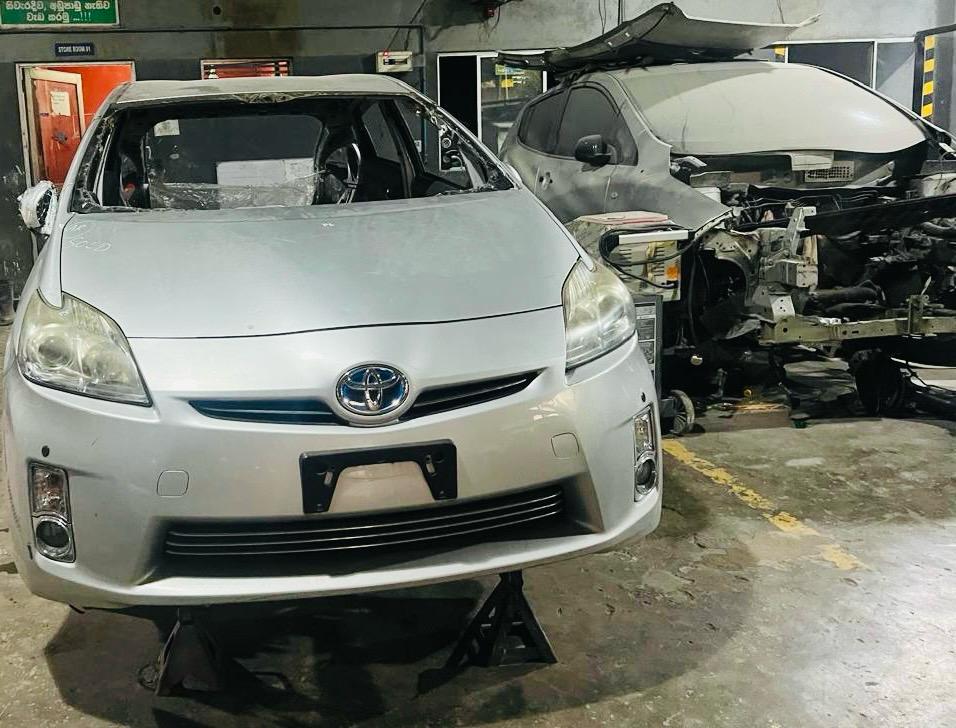
Hybrid repair involves specialized knowledge due to the unique systems found in hybrid vehicles, which combine traditional internal combustion engines with electric propulsion systems. One of the most critical components in a hybrid vehicle is the high-voltage battery pack, which stores and supplies power to the electric motor. Repairing or replacing these batteries requires careful handling due to the high voltage involved. Technicians must adhere to strict safety protocols to avoid accidents and ensure proper installation.
In addition to battery repair, hybrid vehicles require maintenance for their electric motors and regenerative braking systems. Regenerative braking systems help recharge the battery by capturing energy during braking, which can wear out or malfunction over time. Technicians need specialized tools and knowledge to diagnose and repair these systems effectively. Hybrid repair also involves ensuring that the integration between the electric and gas-powered systems functions correctly. This includes managing the transition between electric and gasoline power to optimize fuel efficiency and performance.
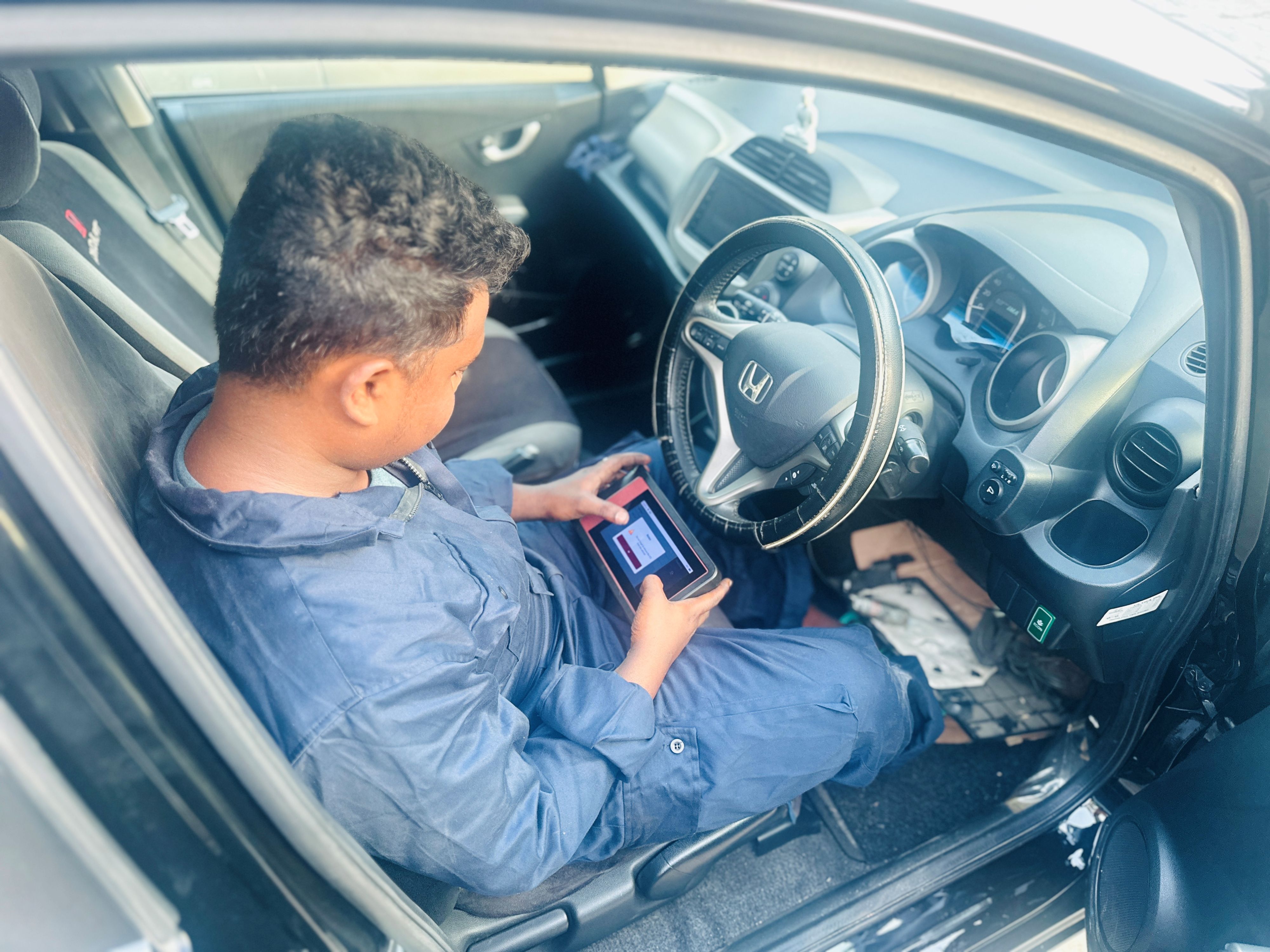
Advanced diagnostic tools designed for hybrid vehicles are crucial for accurately identifying and addressing issues. These tools can read specific codes and monitor the performance of hybrid components, which differ from those in traditional vehicles. Regular maintenance and timely repairs are essential for keeping hybrid vehicles running efficiently and maintaining their fuel economy, which is a key selling point of hybrid technology.
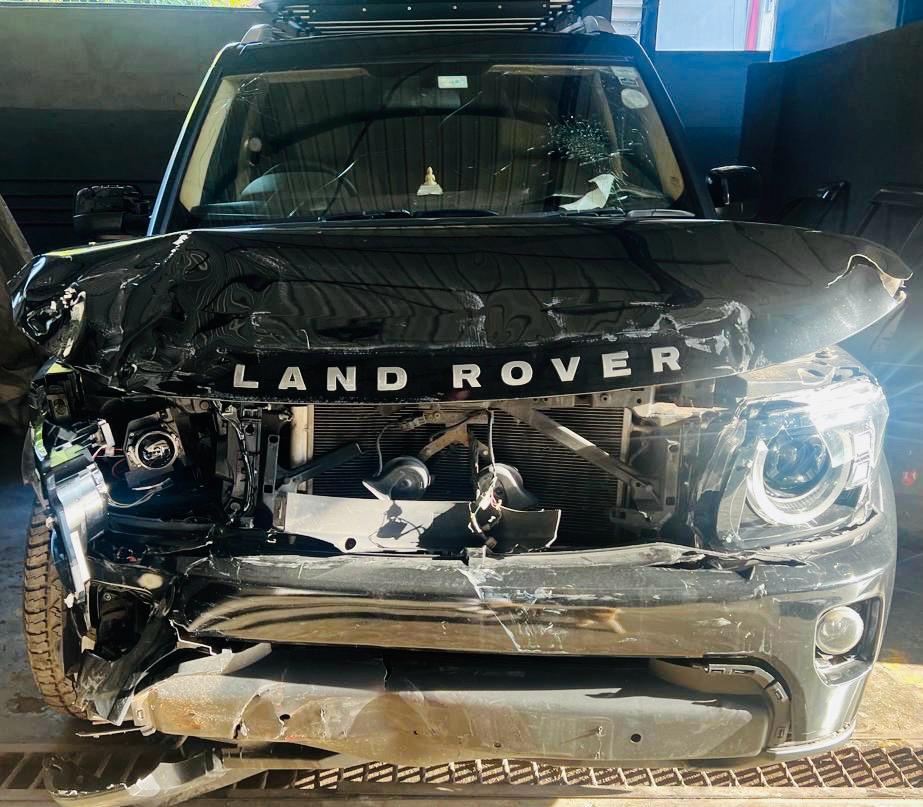
Accident repair is a detailed and multifaceted process aimed at restoring a vehicle to its pre-accident condition. This repair category typically begins with a thorough assessment of the damage, which includes both visible and structural issues. Technicians use frame alignment machines to measure and correct any misalignment of the vehicle’s chassis or frame, ensuring that it meets manufacturer specifications. Proper alignment is crucial for the vehicle’s safety and handling.
Body repair involves fixing or replacing damaged panels, bumpers, and other exterior components. This process often requires skilled metalworking and welding to restore the vehicle’s body to its original shape. After the bodywork is completed, the vehicle undergoes a refinishing process, which includes sanding, priming, and painting to match the original color and finish. Advanced paint booths with computerized color matching systems ensure that the paint job is seamless and durable.
Accident repair also addresses any damage to safety features such as airbags, sensors, and driver-assistance systems. These components must be inspected and replaced if necessary to ensure that they function correctly and provide the intended protection in future collisions. Post-repair inspections and test drives are conducted to verify that all repairs have been performed correctly and that the vehicle meets safety and performance standards.
Electrical repair in vehicles involves diagnosing and fixing issues with the complex electrical systems that power modern vehicles. These systems include the battery, alternator, wiring, and various electronic control units. Problems with electrical systems can manifest as starting issues, dimming lights, malfunctioning electronics, or warning lights on the dashboard.
A key component in electrical repair is the battery, which provides the power needed to start the vehicle and run electrical accessories. Battery problems can lead to starting issues or electrical failures, and technicians often test battery performance and check for leaks or corrosion. The alternator, which charges the battery and powers the electrical system while the engine is running, also plays a crucial role. Faulty alternators can cause battery depletion and electrical malfunctions.
Wiring issues can be challenging to diagnose, as they may involve frayed wires, loose connections, or short circuits. Technicians use specialized diagnostic tools to trace electrical circuits and identify problems accurately. Modern vehicles also rely on numerous electronic control units (ECUs) that manage various functions, such as engine control, transmission, and infotainment systems. Diagnosing and repairing faults in these units often requires advanced diagnostic equipment and software.
Electrical repairs also include addressing issues with lighting systems, power windows, and climate control systems. Proper repair and maintenance of electrical systems are essential for ensuring the vehicle’s overall functionality and safety. Regular inspections can help prevent electrical issues from becoming more severe and costly to fix.